

You've found a senior Brazilian developer who nailed the technical interview, speaks excellent English, and can start next week. The offer is ready. The recruiter is pushing for a deposit. Everyone wants to move fast.
That's exactly when smart companies make expensive mistakes.
Hiring developers in Brazil isn't just a sourcing exercise. It's an operating decision involving identity checks, labor classification, payroll, benefits, total cost, and the unpleasant possibility that your “contractor” is legally an employee. Get those pieces right and Brazil can become a serious engineering advantage. Ignore them and you may end up paying twice for the same hire, once in cash and again in legal cleanup.
The senior candidate was flying through the live coding interview. Clean architecture, thoughtful trade-offs, no dramatic Googling pauses. On the Zoom call, our CTO looked like a man who had just discovered a hidden room full of engineers.
We sent the offer letter at midnight.
A recruiter then told us the candidate needed a $500 USD deposit to secure the engagement before the paperwork closed. It sounded unusual, but the candidate was strong, the role was urgent, and urgency is how rational people begin writing very silly emails. We wired the money.
Three weeks later, the candidate vanished.
The bank flagged the transfer as resembling a romance-scam pattern. The recruiter stopped returning messages. Our project missed an entire quarter, and the engineering team spent its time redistributing work instead of shipping it. Nobody had been fooled by the time zone. Nobody had been defeated by Brazilian engineering talent. We'd skipped identity verification, accepted a weak hiring process, and trusted an intermediary who had no meaningful compliance responsibility.
Practical rule: If someone asks for money to “secure” a developer before identity, references, and employment terms are verified, stop the process.
That experience changed how I think about the real cost of a bad hire. The obvious expense is the salary. The damage includes lost product time, distracted managers, replacement recruiting, and the awkward internal meeting where everyone explains why nobody checked the basics.
US and Canadian employers flying blind into Brazil often make the same three errors:
Brazil remains worth the effort. The country has deep technical talent, meaningful overlap with North American working hours, and a mature software ecosystem. But the winning approach isn't “find a developer quickly.” It's build a hiring operation that survives contact with reality.
Brazil has become one of the largest developer markets in the world. GitHub reported more than 8.3 million developers and 356,000 software organizations in Brazil as of 2026, along with more than 13.5 million code pushes in a single quarter and more than 19.9 million repositories controlled by Brazilian developers and organizations. Those figures come from GitHub market reporting covered by TI Inside.
That scale matters for a practical reason. You're not fishing in a tiny pool where every specialized hire requires a lucky introduction. You can search for engineers by stack, seniority, product environment, language ability, and availability. Elixir, Ruby on Rails, embedded C, Python, React, Node.js, DevOps, and AI experience all become sourcing questions rather than geographic impossibilities.

Brazil also works well for teams that need real-time collaboration with North America. A developer working near US Eastern business hours can join planning, investigate an incident, and speak with customers without turning every decision into an overnight handoff. That advantage is easy to underestimate until your product team spends a month waiting for answers in an asynchronous queue.
São Paulo is the obvious technology center, but it isn't the only useful market. Recife has a strong technology presence, and Brazil's fintech ecosystem has produced engineers familiar with payment infrastructure, security controls, and regulated products. That background can matter when you're building billing, lending, marketplaces, or anything else where “we'll fix the compliance details later” is a particularly bad strategy.
Brazil isn't merely a cheaper place to find engineers. It can be the right place to find engineers who already understand the problems your product creates.
Brazil wins especially clearly in a few situations:
The comparison with India and Eastern Europe also deserves a reality check. Those markets remain valuable, but senior technical talent can command pricing much closer to US headcount economics than many founders expect. Brazil's opportunity isn't “cheap labor at any cost.” It's a large, increasingly nearshore market where senior hiring can still make budget sense when the operating model is designed properly.
For a practical sourcing path, hiring software developers in Brazil through a specialized process is more useful than dumping a generic job description into every marketplace and hoping the algorithm develops taste.
A background check should answer one basic question: Who is this person, and does the proposed working relationship make sense? A polished résumé and a successful coding interview answer neither question fully.
Start with identity. Verify the candidate's CPF and RG, then compare the details against the information supplied during recruitment. A mismatch doesn't automatically mean fraud. It does mean you pause, ask for clarification, and document the answer before moving forward.
The second layer is criminal-record screening through the Federal Police portal, combined with the appropriate regional records process. Brazilian records can involve state-level sources and may take 10 business days, so waiting until the day before onboarding is a fine way to create an avoidable fire.
Then verify employment history. Don't just call the number on a résumé and ask whether the person worked there. Confirm dates, title, responsibilities, and departure circumstances with at least two former Brazilian employers, including a direct manager whenever possible.
Education verification should go through the institution or an appropriate Brazilian education registry. A database ping may confirm that a name exists somewhere. It may not confirm that the candidate completed the program, studied the claimed subject, or earned the credential listed on the résumé.
The check most companies skip is civil litigation, especially labor claims. That search can reveal a history relevant to contractor classification and employment disputes. It doesn't make a candidate unemployable, and it shouldn't become a crude bias against people who have exercised their legal rights. But it can tell you to get sharper legal advice before putting a supposedly independent contractor into a full-time, controlled role.
Use this workflow:
US and Canadian employers also need to respect home-country screening rules. That includes appropriate consent language and adverse-action procedures under the FCRA when the US process applies, plus notice and privacy obligations under PIPEDA where relevant in Canada. Local screening and home-country compliance aren't interchangeable.
For a team hiring more than two developers per quarter, a vendor with established Brazilian relationships usually beats an improvised internal process. You're paying for reliable contacts, local language capability, and judgment when records don't line up neatly. A human-led workflow such as LatHire's background verification process can combine identity, references, education, and labor-claims screening with the hiring process instead of leaving each check in a separate spreadsheet.
Interpret red flags carefully. A candidate from a smaller city, a non-traditional program, or an unfamiliar employer isn't automatically risky. Verify more thoughtfully, don't punish unfamiliarity, and treat unexplained inconsistencies as questions rather than verdicts.
The contractor shortcut looks wonderfully simple. Sign a US-friendly agreement, pay an invoice, and let a platform handle the transfer. Then give the developer fixed hours, a manager, company equipment, company systems, recurring duties, and a long-term place on the team.
That arrangement may look like a contractor relationship in your software. Under Brazil's labor framework, the facts can point somewhere else.
Brazil does not let you dodge employee status by writing “contractor” on the document. A worker may be reclassified when the relationship includes personal service, regularity, payment, and control by the hiring company, as explained in this overview of contractor reclassification under Brazil's labor rules.
Once the relationship is treated as employment, the company may face unpaid social security contributions, FGTS, severance-related costs, vacation pay, the 13th salary, overtime, and penalties. The exposure isn't theoretical bookkeeping. It can reach backward across the relationship and become a very expensive lesson in contract labeling.
| Factor | Contractor (US-only) | EOR (e.g., LatHire) | Brazilian Subsidiary |
|---|---|---|---|
| Legal employer | Your US company or contractor structure | Local EOR | Your Brazilian entity |
| Speed | Fastest on paper | Fast without creating an entity | Slower setup |
| Compliance burden | Highest classification risk | EOR manages local employment obligations | Your team owns payroll, tax, and HR compliance |
| Best fit | Genuine project-based independence | Long-term full-time hires | Larger established local teams |
| Trade-off | Lower apparent cost, greater exposure | Higher employment cost and service fee | More control, more administration |
An EOR is the sensible default for a long-term developer who works as part of your core team. The EOR becomes the legal employer, handles compliant payroll and benefits, and gives the developer a genuine employment relationship rather than a contractor costume.
A Brazilian subsidiary makes sense when your local team is large enough to justify entity administration. A Sociedade Limitada or branch can provide control, but it also gives you the privilege of owning every local payroll, tax, benefit, and employment problem yourself. I wouldn't open one for a first hire.
Before using any umbrella or contractor intermediary, review its commercial and compliance history, including guidance on contractor umbrella company pitfalls. The cheapest arrangement is often the one with the least visible responsibility.
The costs of getting classification wrong can include back pay, taxes, mandatory benefits, and penalties. One guide reports a BRL 400,000 fine per employee, with doubled penalties for repeat offenses, alongside additional interest and tax exposure. That figure appears in guidance on independent contracting in Brazil.
My verdict is simple: use an EOR until headcount justifies a local entity. If the work is independent and project-based, a contractor structure may fit. If the person is a core engineer managed like an employee, stop pretending the invoice changes the relationship. For how this compares across the region, including rates and the other main hiring models, see how to hire developers in Latin America.
Compensation planning starts with the number that appears on your budget, then immediately moves beyond it. Brazil's 2026 benchmark ranges put software engineers at approximately $30,000 to $42,000 for junior talent, $42,000 to $58,000 for mid-level, and $58,000 to $78,000 for senior hires, according to Brazil software engineer salary and hiring cost benchmarks.
Those figures are useful planning anchors, not permission to lowball everyone with a laptop. Senior candidates still compare your offer with competing employers, and a bargain offer often buys you a short tenure followed by another recruiting cycle.
CLT-style employment commonly adds a roughly 1.50 to 1.56 times cost multiplier once vacation bonus, 13th salary, and payroll charges are included, based on the same 2026 benchmark source. A senior developer with a $70,000 base can therefore land near $105,000 to $109,000 all-in, before any separate provider pricing or unusual role-specific costs.
| Level | Annual salary range | Loaded annual cost using 1.50x to 1.56x |
|---|---|---|
| Junior | $30,000 to $42,000 | $45,000 to $65,520 |
| Mid-level | $42,000 to $58,000 | $63,000 to $90,480 |
| Senior | $58,000 to $78,000 | $87,000 to $121,680 |
These calculations apply the published multiplier to the published salary bands. They're budgeting math, not a promise that every provider will invoice exactly those amounts.
Brazilian employment costs include obligations such as FGTS, social security, the 13th salary, and vacation pay with its required bonus. Brazilian remote-work guidance also requires the employment contract to address telework, equipment and connectivity costs, and working-hours rules, while employers remain responsible for health and safety conditions. The relevant framework is summarized in Brazil software outsourcing and employment guidance.
Equity deserves a separate decision. Brazilian candidates may value cash compensation and short-term bonuses more than a complicated long-term equity package, especially when taxation and currency movement make the grant difficult to evaluate. Keep equity understandable, explain the exercise and tax mechanics, and don't use a mysterious options document to disguise a weak cash offer.
Underpaying a senior developer to save a few thousand dollars is how you pay for a replacement search eight months later.
Create three compensation scenarios before sourcing:
The savings are real, but they aren't magic. Your budget should include the full employment structure before the first interview, not after the candidate asks why the offer doesn't match the conversation.
At first, we tried to run Brazilian hiring internally. It looked manageable from a distance. A founder searches LinkedIn and GitHub, an engineer runs the technical interview, finance picks a payroll provider, and someone in operations promises to “look into the legal side.”
That fantasy collapses quickly.
The actual workflow includes writing a job description that works in Portuguese and English, sourcing across cities, scheduling interviews across time zones, reviewing take-home assignments, checking references in Portuguese, verifying criminal and education records, deciding between contractor and EOR models, and onboarding someone into systems that may not natively handle Brazilian payroll. Each task is reasonable. Together, they create a second company hiding inside your first one.
The founder isn't only interviewing. They're also chasing a former manager who hasn't replied, translating a reference call, comparing payroll proposals, asking counsel whether a contractor has too much operational control, and explaining to the candidate why the offer is delayed.
That work consumes 40 to 60 hours per hire, according to the hiring-cost methodology described in the supplied benchmark context. For a small team, those hours don't come from an empty calendar. They come from product strategy, customer calls, and the engineering work that supposedly justified the hire.
A platform can reduce the number of handoffs, but choose carefully. Some providers return a database result and call it diligence. Others combine sourcing, technical vetting, human reference calls, payroll, benefits, and legal administration in one operating flow.
LatHire is one option that combines sourcing, vetting, human-led background checks, EOR payroll, and ongoing HR support for companies hiring Brazilian developers. Its human-led process uses Portuguese-speaking analysts to review checks, contact prior employers, and verify education directly rather than relying only on an automated database response.
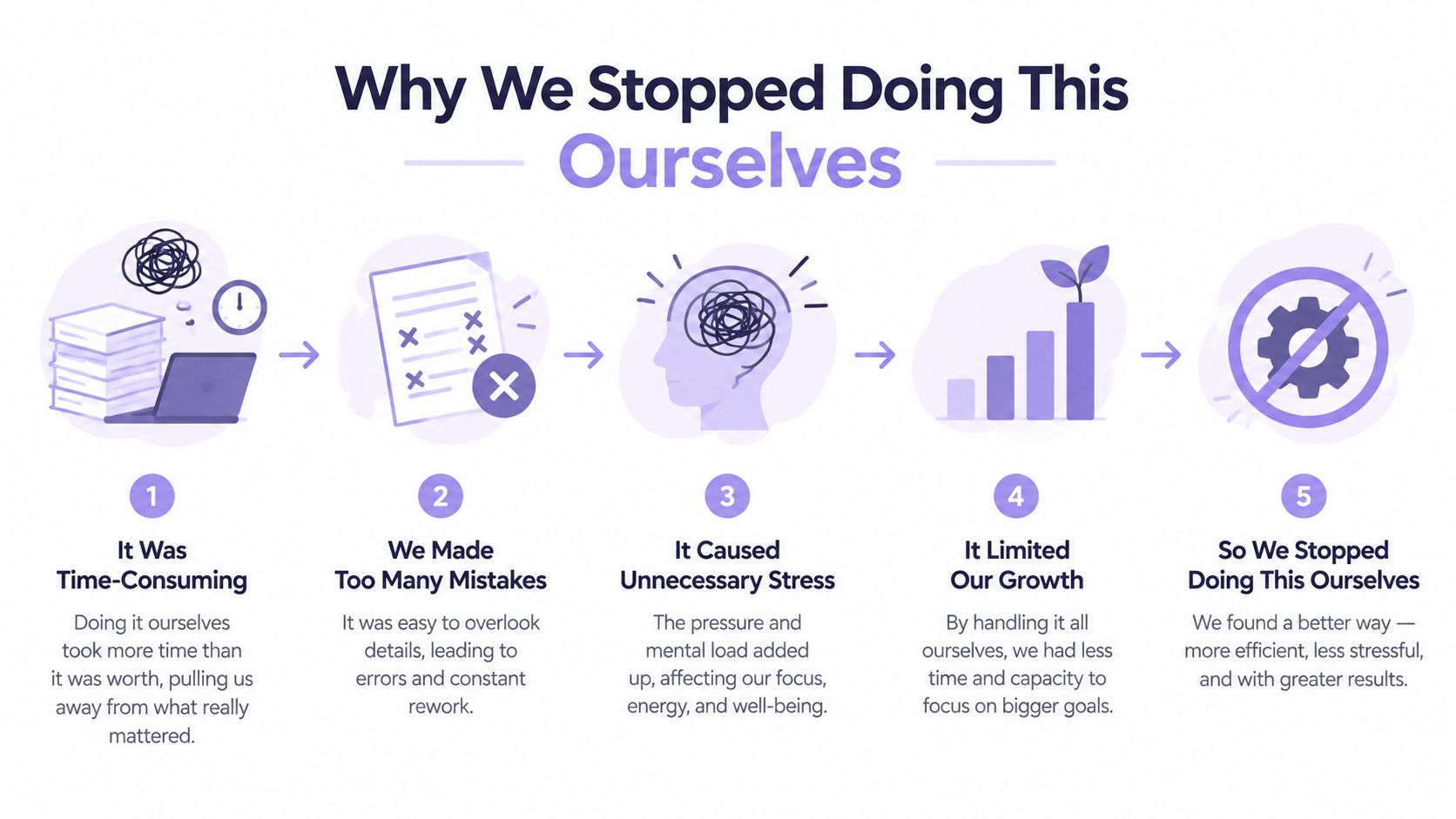
The trade-off is straightforward. You pay for the service, but you stop asking a founder, recruiter, engineer, lawyer, and payroll specialist to collaborate across separate systems on a single hire. You also gain a clearer owner for the process when a document is missing or a classification question appears.
We're not saying we're perfect. Just more accurate more often, which is a surprisingly valuable trait when money is crossing borders and labor law is involved.
Hiring Brazilian developers isn't the hard part. Running the back office across two countries is. Decide whether you need a contractor, EOR, or local entity before you source. Budget the loaded cost before you negotiate. Verify the person before you wire anything. That sequence keeps a promising hire from becoming another quarter-long cautionary tale.
If you're ready to hire developers in Brazil, start with one role, define the employment model, and build the total-cost budget before opening candidate outreach. Then use a documented process for identity verification, references, education, labor-claims screening, payroll, and onboarding. Do that now, and your next Brazilian engineering hire can spend its first quarter shipping product instead of explaining a compliance mess.

